
Prev post
Why We Grow in Tasmania
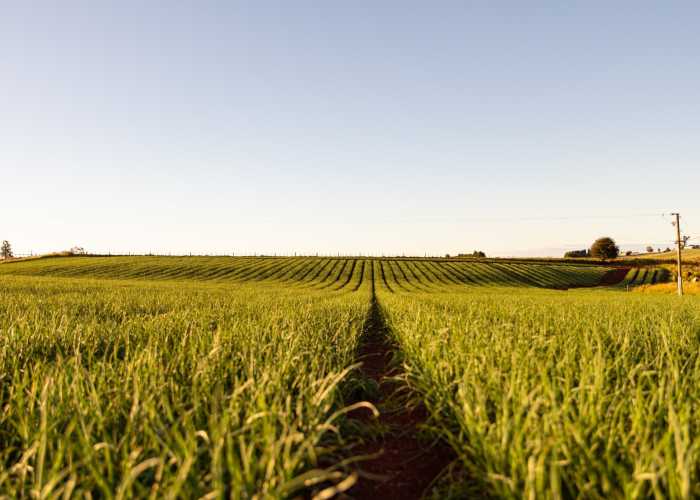
At Menlo Fields, we grow shallots — and we grow them in Tasmania for a reason.

01 July 2025
They look similar, they sit next to each other at the market, and they’re often mistaken for one another — but shallots and onions aren’t interchangeable. While both belong to the allium family (along with garlic, chives and leeks), shallots bring their own character to the kitchen — and once you’ve cooked with them, it’s hard to go back.
At Menlo Fields, we’ve been growing shallots exclusively for over 20 years, so we know a thing or two about what sets them apart. Here’s what makes shallots different — and, we’d argue, better — than your average onion.
The biggest and most important difference is flavour.
Shallots have a milder, sweeter and more complex taste than onions. Where onions can be sharp and pungent when raw, shallots are gentler on the palate — even when uncooked. When cooked, they caramelise beautifully, taking on a rich, savoury-sweet profile that deepens without overpowering.
That’s why chefs often reach for shallots when they want subtlety, elegance, and balance — especially in sauces, dressings, and finer dishes where onions might be too aggressive.
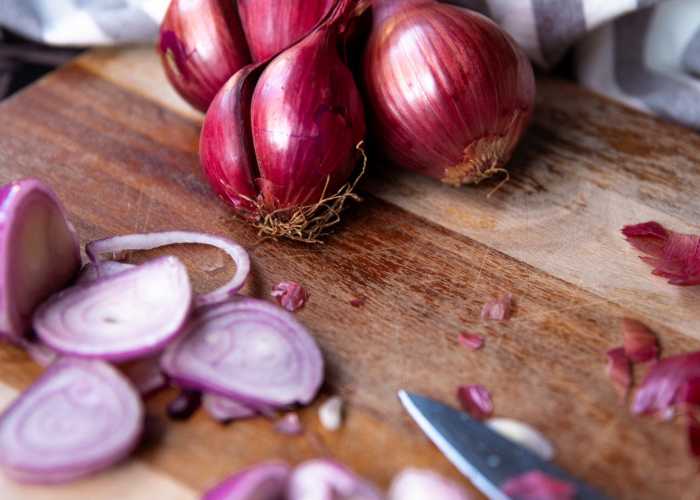
Cut into a shallot, and you’ll notice it looks different too.
Where onions are made up of concentric rings, shallots are made of cloves — a bit like garlic. Depending on the variety, a single shallot might contain two or three tightly packed cloves. Their smaller size means they’re ideal when you only need a little — no more half-used onions in the fridge.
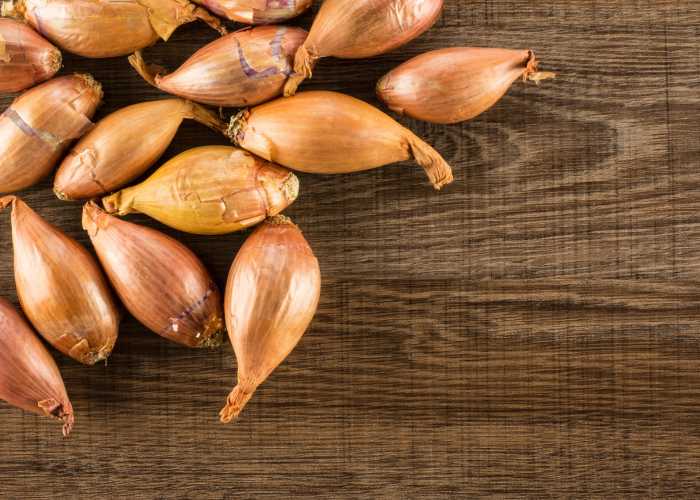
At Menlo Fields, we grow three types: red, gold, and eschallion (or long shallot) — each with slightly different uses and flavour profiles, but all sharing that signature shallot quality.
Not only do shallots pack more flavour, they bring more nutrients too.
Shallots are typically higher in antioxidants, flavonoids, and vitamins than standard onions. They contain compounds that have been linked to anti-inflammatory and antimicrobial benefits, making them a smart (and tasty) choice for everyday cooking.
Shallots also tend to store well — especially when kept in a cool, dry place. Their dense structure and low water content means they’re less prone to sprouting or softening than onions. For chefs and retailers alike, that’s a big win.
Whether you’re caramelising, pickling, roasting, or slicing raw into a vinaigrette, shallots give you more control. They melt beautifully into sauces, elevate meat dishes, and bring a natural sweetness to slow-cooked meals — without ever dominating the dish.
At Menlo Fields, we believe in doing one thing well — and doing it properly. We grow shallots because we believe they’re the best way to bring flavour, consistency, and quality to the plate. Whether you’re a chef, a home cook, or a produce buyer looking for something better, it’s time to make the switch.
So next time you’re reaching for an onion…
Why not a shallot?